 TheOneToGo
Things to do in Dubrovnik
For every landmark we tell you what's worth booking, what to skip, and when it's free or cheaper to do yourself. We never sell the top spot.

The essential things to do in Dubrovnik
-
Do this first thing in the morning or late in the day, not at noon with everyone else. The route is exposed, costly, and still the paid sight I would choose first for rooflines, sea, forts, and quick looks into courtyards below. Hours and ticket rules change by season, so check the official walls site before you go.
-
2. Fort Lovrijenac.
The fort above the small cove west of Pile Gate gives you the cleanest look back at the walled city. It is usually tied to the city walls ticket, but check the current rule before counting on it. Climb slowly, drink water, then sit with the view instead of racing back down.
-
3. Stradun after breakfast.
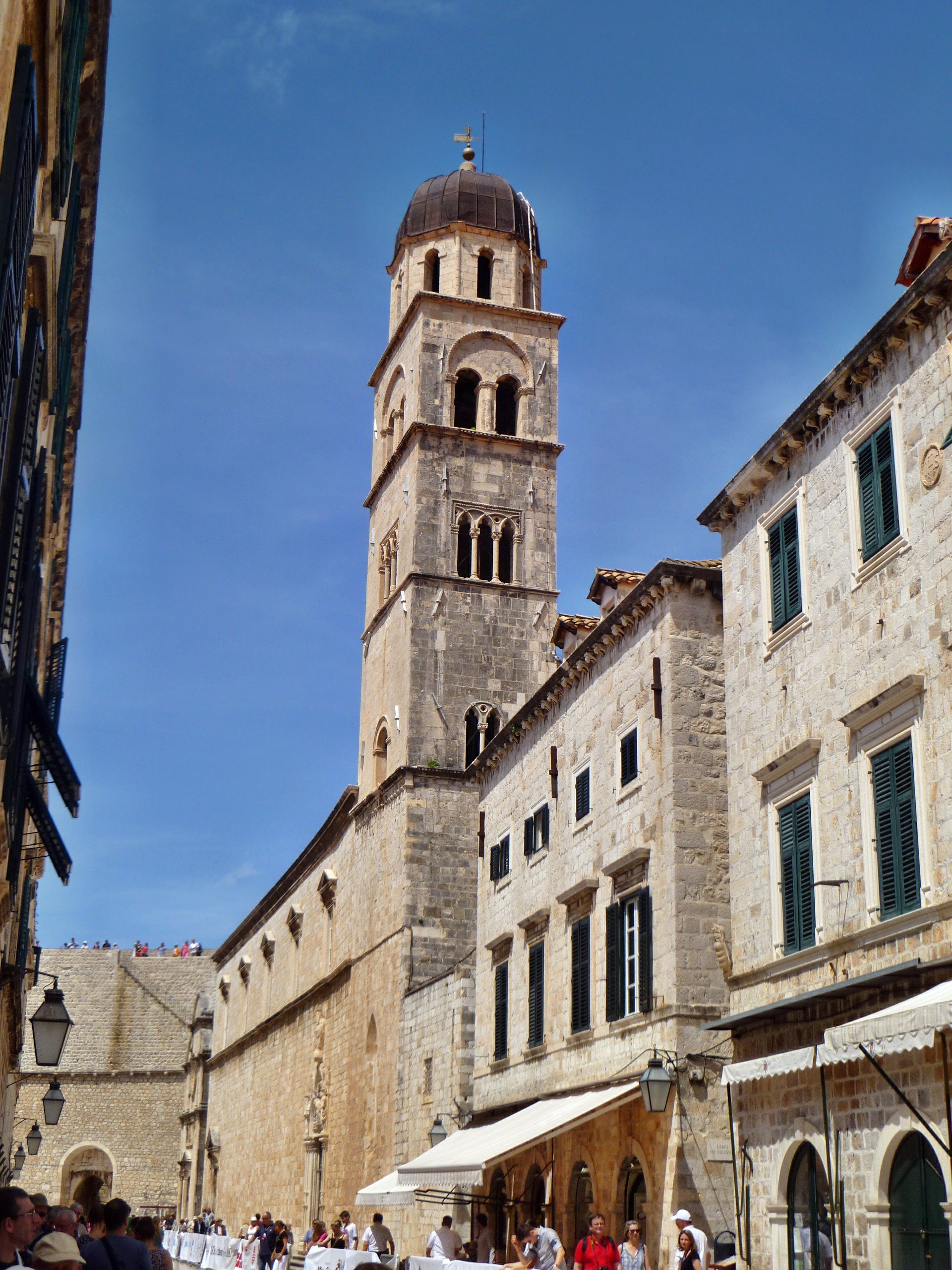
Stradun can feel like a polished corridor when it is packed, but early in the day it still has a civic calm. Take it in before the tour groups arrive, then turn into the side streets where the city feels less staged.
-
4. Rector's Palace.
This is the Old Town museum I would choose if you only have time for one. The building gives you a useful sense of the old Ragusan republic without turning the day into homework. Check museum hours before you go, especially outside summer.
-
5. Lokrum Island.
Lokrum is the easiest escape when the Old Town gets too hot and too loud. Boats normally leave from the Old City Port in the main season, but schedules depend on season and weather, and service can be limited or absent in winter.
-
6. Mount Srđ.
The cable car is convenient, the walk is more satisfying, and both lead to the same blunt truth: Dubrovnik makes more sense from above. The cable car timetable changes by month and can close in winter, so check the official schedule. Go near sunset if you can handle the crowd, or earlier if you want more space.
-
7. Old Port and Porporela.
The Old Port is small, pretty, and more useful as a pause than a full attraction. Walk out to Porporela, watch the boats, then decide whether you have the patience for another packed lane.
-
8. Sveti Jakov Beach.
Sveti Jakov is a better beach pick than many central spots if you want a swim with an Old Town view. The tradeoff is the climb back up, which feels longer after salt, sun, and a lazy lunch.
Landmark guides for Dubrovnik




Experiences worth booking in Dubrovnik


Plan your trip to Dubrovnik
How many days do you have?
Photo credits
Photos: Zysko serhii, Miroslav.vajdic, Américo Toledano, Marcin Konsek, Bernard Gagnon, Martin Falbisoner (CC BY-SA 4.0); Sailko, JoJan (CC BY 3.0); Diego Delso, Kigsz (CC BY-SA 3.0); MarcChu (CC BY 4.0); dronepicr (CC BY 2.0) via Wikimedia Commons.
How to Use the Old Town
Dubrovnik's Old Town is small enough to cross quickly and dense enough to punish lazy planning. The smart move is to enter early, do one paid sight, then spend the rest of the morning wandering side streets before the cruise flow thickens around Stradun, Pile Gate, and the main squares.
Do not expect the Old Town to feel undiscovered. It is famous, polished, and often crowded, but the city still has texture if you stop treating every corner like a photo stop. Climb the residential lanes above Stradun, listen for schoolyards and kitchen noise, and you get a better version of Dubrovnik.
Walls, Forts, and Views
The city walls are the obvious splurge, and I would still pay for them over most guided extras. The walk loops around the Old Town with constant changes in angle: red roofs, the open Adriatic, Fort Lovrijenac, laundry lines, church towers, and the harsh midday sun if you timed it badly.
Lovrijenac is the best companion stop because it turns the city into a shape you can read. Mount Srđ does the same from farther away, with a wider view over Lokrum, the islands, and the port side of town. If you only have one high view, choose Srđ. If you want the most dramatic Old Town angle, choose Lovrijenac.
Beaches and Islands
Dubrovnik is not a soft-sand beach city. Expect rocks, ladders, concrete platforms, clear water, and people who came prepared with water shoes. Banje is close and convenient, which also means it can feel more like a scene than a swim.
Lokrum is the better reset: pine shade, rocky swimming spots, peacocks, old monastery ruins, and enough walking to make you feel like you left the city properly. For a land-based beach with a view, Sveti Jakov is my pick, especially outside the hottest part of the day.
Where to Stay
Stay inside the Old Town if you want atmosphere after dinner and can handle stairs, noise, and luggage logistics. It is romantic for a short stay, less charming when you are dragging bags over stone in July.
For most travelers, Pile or Ploče are easier because you stay close without sleeping inside the busiest lanes. Lapad and Babin Kuk are better for beaches, space, and hotels with pools. Gruž is practical for ferries, the main bus station, and local errands, but it is not the postcard Dubrovnik people picture first.
Food and Drink
Dubrovnik restaurants can be frustrating because the setting often carries the bill. In the Old Town, read menus hard, avoid places that feel built for one-time visitors, and book ahead for smaller spots with serious kitchens.
Seafood, black risotto, grilled fish, octopus salad, oysters from nearby Ston, and local wines are the obvious orders, but the best meal is not always the most scenic one. I would trade a front-row Stradun table for a quieter konoba or a Lapad dinner where nobody is rushing you.
Day Trips and Timing
Dubrovnik works well as a base, but every day trip costs time because the city sits far down the coast. Cavtat is the easiest gentle outing, the Elaphiti Islands suit a boat day, and Ston works well if you care about oysters, salt pans, or defensive walls.
Kotor, Mostar, Korčula, and Mljet are possible, but they are longer days and border or ferry timing can sour the mood fast. If you only have two or three nights, do not overstuff the itinerary. Dubrovnik is better when you leave blank space for heat, swims, and slow dinners.
Where to stay and explore: Dubrovnik's neighborhoods
- Old Town
- The most atmospheric and the most intense place to stay. Pick it for a short romantic stay or late-night wandering, but expect stairs, crowds, and limited easy transport.
- Pile
- Pile is the practical sweet spot just outside the main western gate. You get fast Old Town access without fully committing to the noise and luggage pain inside the walls.
- Ploče
- Ploče has the classic views back toward the walls and Lokrum. It suits travelers who want a quieter base and do not mind hills or higher prices.
- Lapad
- Lapad is better for longer stays, beach time, and evenings that do not revolve around Stradun. It is less dramatic than the Old Town, but much easier to live in.
- Babin Kuk
- Babin Kuk has many hotels, more greenery than the Old Town side, and good access to pools, beaches, and family-friendly stays. Choose it when comfort matters more than stepping straight into medieval lanes.
- Gruž
- Gruž is the working port area, useful for ferries, the main bus station, supermarkets, and lower prices. It is not pretty in the same way, but it gives you a more normal city rhythm.
- Montovjerna
- Montovjerna sits between the Old Town side and Lapad, which makes it a sensible middle ground. It is a good pick if you want fewer tourists around your front door.
Where to stay in Dubrovnik
Find hotels and apartments near the sights. Booked through Expedia, free to use.
Booking via Expedia. We may earn a commission, at no cost to you.
Things to do in Dubrovnik: FAQs
Two full days is enough for the Old Town, walls, Lovrijenac, Lokrum, and a swim if you move well. Three nights is better because it lets you dodge peak heat and crowds instead of fighting them.
May, early June, late September, and October are the best bets for warm weather with less pressure. July and August bring the full summer mood, but they also bring heat, high prices, and crowd fatigue.
Yes, by Croatian standards Dubrovnik is expensive, especially inside and near the Old Town. You can control costs by staying in Lapad, Babin Kuk, Gruž, or Montovjerna and being selective about paid sights.
No. A car is more burden than benefit for the Old Town, where traffic and parking make life harder. Use buses, taxis, boats, and your feet, then rent a car only for wider regional travel if you truly need one.
Yes, but timing decides how much you enjoy it. Go early or late, bring water, wear a hat in warm months, and check current tickets, opening hours, and pass rules before you go because they change by season.
Pile is my first choice for most first-timers because it is close, simple, and less punishing than sleeping inside the walls. Choose Old Town for atmosphere, Ploče for views, Lapad or Babin Kuk for beach comfort, and Gruž for transport value.
More cities in Croatia
Worth it, or skip it?
Join the early list. When it launches, expect the occasional short email: the handful of things actually worth your time in each city, the famous ones to skip, and when it's free or cheaper to just walk in. No paid placement.